
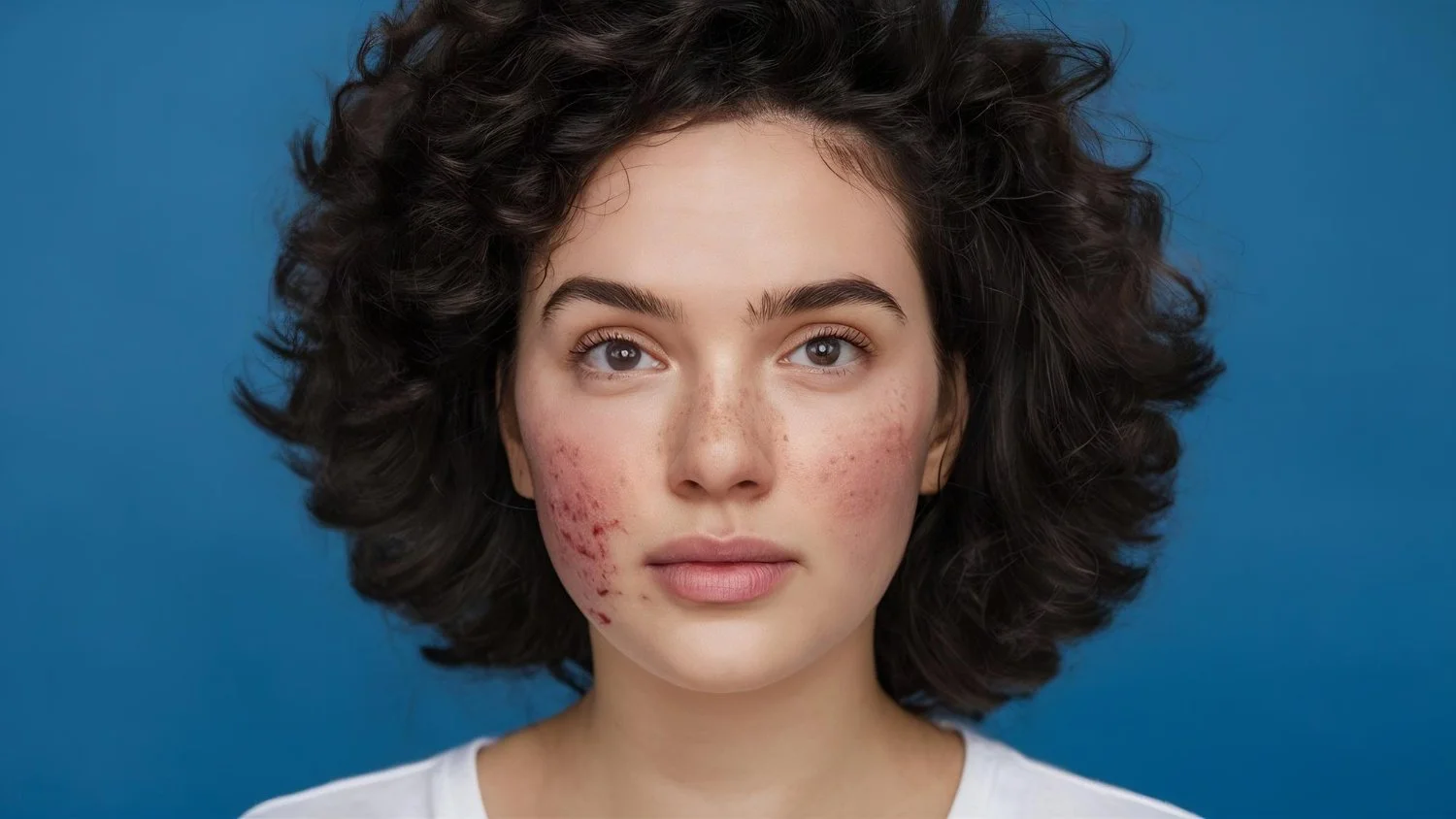
Acne may disappear, but the marks it leaves behind can remain long after breakouts have settled. If you have noticed uneven skin texture, small depressions, visible pores or dark marks following acne, you are certainly not alone. Acne scars can affect people with different skin types and levels of acne severity, and they can be frustrating when skincare products alone do not deliver the improvement you want.
The good news is that modern dermatology offers several treatment options that may help improve the appearance of acne scars.
The challenge is choosing the right treatment. Microneedling, Morpheus8, UltraClear laser, chemical peels and platelet-rich plasma (PRP) work in different ways and are suited to different concerns. Some treatments target uneven texture and depressed scars, while others are more appropriate for post-acne pigmentation.
Your skin tone, scar type, current acne activity and recovery preferences all influence the decision. This guide explains how acne scars develop, which treatments may help, how laser compares with microneedling, what recovery involves and which factors affect acne scar treatment costs in Dubai.
Why Do Acne Scars Form?
Acne scars develop when inflammation associated with acne damages the skin and the tissue beneath it. When a pore becomes blocked and inflamed, the surrounding skin can experience damage that triggers the body's healing response.
During recovery, collagen helps rebuild and support the affected tissue. If the body produces too little collagen, the healed area may appear depressed. If the healing process produces excess tissue, a raised scar may form. The severity of scarring depends on several factors, including the depth and duration of inflammation, the type of acne lesions and individual healing characteristics. Picking, squeezing or repeatedly irritating spots can increase the risk of scarring.
Not every mark left by acne is a true scar. Some people develop post-inflammatory hyperpigmentation (PIH), which appears as flat brown, grey or darker marks after inflammation settles. Others develop post-inflammatory erythema, which may look pink, red or purple depending on their skin tone. These changes affect colour rather than creating a permanent depression or raised area in the skin. They may gradually fade, although the process can take time. Distinguishing pigmentation from structural scarring matters because a treatment that improves texture may not be the most appropriate first choice for discolouration.
Genetics, skin characteristics and ongoing acne can also influence the appearance of scars. Deep inflammatory nodules and cysts are more likely to leave lasting changes than mild, superficial breakouts. Active acne should be addressed before or alongside scar treatment, depending on the dermatologist's assessment, because new breakouts can create additional scars. Early evaluation can help establish a plan that treats existing marks while reducing the likelihood of further damage. The American Academy of Dermatology recommends an individualised approach because different scar types often respond to different treatments.
"Distinguishing pigmentation from structural scarring matters because a treatment that improves texture may not be the most appropriate first choice for discolouration."
Types of Acne Scars
Understanding your scar type is one of the most important steps when exploring treatment. Acne scars are not all identical, and two people with similar-looking skin may benefit from different procedures. Some scars are narrow and deep, while others have wider depressions or uneven contours. Pigmentation may also be present alongside structural scarring. A dermatologist can examine the skin, identify the main concerns and recommend treatments according to their characteristics.
| Scar type | Appearance | Key treatment consideration |
|---|---|---|
| Ice pick scars | Narrow, deep depressions resembling small punctures | May extend deeper than they appear; surface treatments alone may be insufficient |
| Boxcar scars | Wider depressions with defined edges; may appear shallow or deep | Microneedling or laser resurfacing often considered; depth guides approach |
| Rolling scars | Wavy or undulating surface caused by fibrous bands pulling skin downward | Collagen-stimulating treatments may help; some require additional procedures |
| Post-acne pigmentation | Flat brown, grey, red or purple marks after healing | Not a true scar; sun protection and selected peels may help |
| Mixed scarring | Combination of the above types | Often requires a staged, multi-treatment approach |
Ice Pick Scars
Ice pick scars are narrow, deep depressions that extend into the skin and create the appearance of small punctures. They may be difficult to treat with surface-level procedures alone because the scar extends deeper than the visible opening suggests. Treatment selection depends on the depth, location and number of scars. A dermatologist may consider targeted procedures or a combination approach rather than relying exclusively on a general resurfacing treatment.
Boxcar Scars
Boxcar scars are wider depressions with relatively defined edges. They may appear shallow or deep and can give the skin an uneven texture, especially under direct lighting. Depending on their depth and the surrounding tissue, treatment may involve microneedling, laser resurfacing or a combination of procedures. The objective is to improve the appearance of the depressed areas and surrounding skin, although complete removal cannot be guaranteed.
Rolling Scars
Rolling scars create a wavy or undulating skin surface, often because fibrous bands beneath the skin pull the surface downward. They may become more noticeable under certain lighting conditions or when the skin is viewed from an angle. Treatments that stimulate collagen may improve the overall texture, but scars tethered to deeper tissue sometimes require additional procedures. A dermatologist should assess whether resurfacing alone is likely to provide sufficient improvement.
Post-Acne Pigmentation
Post-acne pigmentation refers to flat marks that remain after pimples have healed. These marks may look brown, grey, red or purple, depending on the cause and the individual's skin tone. Unlike depressed scars, they do not necessarily involve permanent structural damage. Sun protection, appropriate topical skincare and selected chemical peels may help improve their appearance. Treatment should be chosen carefully because excessive irritation can worsen pigmentation, particularly in skin prone to post-inflammatory hyperpigmentation.
Mixed Acne Scarring
Many people have a combination of ice pick, boxcar and rolling scars alongside pigmentation. This mixed pattern can make treatment more complex because a single procedure may not address every concern equally well. A dermatologist may recommend different treatments for different scar types, performed in stages where appropriate. A personalised plan can prioritise the most prominent concerns while balancing expected improvement, recovery time, cost and the risk of side effects.
A patient in his late twenties has had moderate acne since his teens. The breakouts are now mostly under control with prescribed medication, but he is left with a mix of icepick scars on his cheeks and rolling scars across the jaw area. His dermatologist confirms that active acne is no longer producing new inflammation, then discusses a combination treatment approach starting with fractional laser, with the expectation that multiple sessions will be needed over several months.
Best Acne Scar Treatments
There is no single treatment that works best for every acne scar. The right option depends on the depth and shape of the scars, your skin tone, your medical history and whether you still experience active acne. Some treatments encourage collagen production, while others resurface the skin or target pigmentation. The following overview explains how these procedures may fit into an acne scar treatment plan.
Microneedling
Microneedling uses fine needles to create controlled micro-injuries in the skin, stimulating a wound-healing response that supports collagen and elastin production. Over a series of treatments, this process may improve the appearance of certain depressed acne scars and uneven skin texture. It is commonly considered for atrophic scars, although the degree of improvement depends on scar type, depth and individual response. Microneedling can be suitable for a range of skin tones when performed appropriately, but the procedure still requires professional assessment and careful technique.
After treatment, temporary redness, swelling, sensitivity and pinpoint bleeding may occur. Recovery depends on the intensity of the procedure and the individual's skin. A series of sessions is often required rather than expecting a dramatic change after one appointment. Microneedling may also be combined with other treatments when a dermatologist determines that the combination is appropriate. It should not be performed over active skin infections or uncontrolled inflammatory acne without suitable medical guidance.
Morpheus8
Morpheus8 combines microneedling with radiofrequency energy delivered into the skin. The needles create controlled channels, while the radiofrequency energy heats targeted tissue to stimulate remodelling and collagen production. This approach may be considered for selected acne scars, uneven texture and concerns involving skin firmness. The treatment's suitability depends on scar characteristics, skin condition, device settings and the practitioner's experience.
Morpheus8 is not automatically more effective than conventional microneedling for every patient. Its depth and energy settings must be selected carefully, and excessive heat or inappropriate technique can cause burns, prolonged inflammation or pigment changes. Temporary redness, swelling and tenderness are possible after treatment. A consultation should establish whether radiofrequency microneedling offers a meaningful advantage for your particular scars compared with other available options.
UltraClear Laser
UltraClear is a laser platform used for selected skin resurfacing and texture concerns. Depending on the treatment protocol, laser energy can create controlled effects in the skin that stimulate repair and collagen remodelling. It may be considered for certain acne scars and uneven skin texture following a clinical assessment. The appropriate settings, treatment intensity and expected recovery depend on the device configuration and the patient's skin.
Laser treatments can produce redness, swelling, sensitivity and temporary changes in pigmentation. More intensive procedures may require longer recovery, and not every scar type responds equally well. It is important to ask the dermatologist about the specific UltraClear protocol being proposed, the evidence supporting its use for your scar type and the expected downtime. The name of a device alone does not guarantee a particular result, and comparative evidence for individual laser platforms may be more limited than the broader evidence for laser resurfacing.
Chemical Peels
Chemical peels use carefully selected acids to exfoliate the skin at a controlled depth. Depending on the formulation, they may improve post-acne pigmentation, uneven skin tone and certain superficial texture concerns. Some specific chemical reconstruction techniques are also used for selected depressed scars, but these are different from routine superficial peels and require specialised assessment. The strength and type of peel should be matched to the patient's skin and the concern being treated.
After a peel, you may experience temporary stinging, redness, dryness, peeling or sensitivity. Deeper peels carry additional risks, including pigment changes and scarring if performed inappropriately. This is particularly important for people prone to post-inflammatory hyperpigmentation. A dermatologist can explain which peel is suitable, how many sessions may be needed and what skincare and sun protection are required during recovery.
Combination Treatments
Combining treatments may be useful when a person has multiple types of acne scars or when one procedure cannot adequately address the entire concern. For example, microneedling may target uneven texture while a suitable chemical peel addresses selected pigmentation concerns. A dermatologist may also consider laser treatment with PRP where appropriate. The sequence and spacing of procedures matter because performing treatments too close together can increase irritation and delay healing.
Research published in 2025 reviewed nine studies involving 566 participants and reported better outcomes for combined microneedling and chemical peeling than for either treatment alone in the studies analysed. However, protocols and study quality vary, so these findings should not be interpreted as proof that combination therapy is best for every patient.
A carefully planned combination may offer benefits, but it can also increase cost, downtime and complexity. Your dermatologist should explain the rationale for each procedure rather than recommending multiple treatments without a clear purpose.
Microneedling works by creating thousands of tiny, controlled punctures in the skin. Each puncture triggers the body's natural wound-healing response -- sending collagen and elastin to the treated area. For acne scars, this gradual collagen rebuild is what slowly lifts and smooths depressed areas over a series of sessions. The American Academy of Dermatology notes that microneedling may work best when combined with another therapy.
PRP (Platelet-Rich Plasma)
Platelet-rich plasma, commonly known as PRP, is prepared from a sample of the patient's own blood. The blood is processed to concentrate platelets, and the resulting preparation may be used alongside certain skin procedures. Platelets release growth factors involved in tissue repair, which is why PRP is investigated and used as an adjunct to treatments such as microneedling or laser resurfacing. The aim is to support the healing response and potentially improve treatment outcomes.
PRP is not a guaranteed standalone solution for deep acne scars, and the evidence varies according to the combination used and the outcomes measured. A 2025 network meta-analysis of acne scar treatments found promising rankings for some laser-and-PRP combinations, but comparative treatment evidence remains heterogeneous.
Ask your dermatologist whether PRP is likely to add value to your treatment plan, what preparation method is used and what additional costs or risks may apply.
Laser vs Microneedling for Acne Scars
Laser resurfacing and microneedling are two commonly used approaches for improving atrophic acne scars, but they work differently. Laser treatments use focused energy to create controlled effects in the skin, encouraging repair and collagen remodelling. Microneedling uses fine needles to stimulate a similar healing response without relying on laser energy. Both approaches may improve certain depressed scars and uneven texture, but neither is guaranteed to remove scars completely. The best choice depends on the type and severity of scarring, skin tone, recovery preferences and clinical assessment.
| Comparison factor | Laser resurfacing | Microneedling |
|---|---|---|
| How it works | Uses laser energy to resurface or remodel targeted skin | Creates controlled micro-injuries using fine needles |
| Main potential benefit | Improves selected scars, surface texture and other signs of skin damage | Stimulates collagen production and may improve depressed scars |
| Pigmentation considerations | Certain laser treatments can cause pigment changes, particularly in susceptible skin | Can also cause pigment changes if performed inappropriately |
| Recovery | Depends on the laser type and treatment intensity | Often involves temporary redness and sensitivity |
| Sessions | Varies according to the device, settings and scar severity | Usually requires a series of treatments |
| Best option | Depends on the scar pattern, skin characteristics and clinical goals | Depends on the scar pattern, skin characteristics and clinical goals |
The American Academy of Dermatology explains that laser resurfacing can stimulate collagen and elastin production as the skin heals. It also notes that microneedling stimulates these processes and is often combined with other treatments to improve outcomes.
"Neither laser nor microneedling is universally superior. The most useful decision comes from matching the treatment to your scars, skin type and expectations."
Which treatment should you choose?
Laser resurfacing may be worth discussing if you have prominent texture concerns and want a treatment that specifically targets skin resurfacing. However, different lasers have different levels of intensity and recovery requirements, so the term laser treatment alone is not enough to predict the result. Your dermatologist should explain the specific device and protocol being recommended.
Microneedling may be suitable if your main concern is selected depressed scars and you prefer a treatment that stimulates collagen through controlled needle penetration. Radiofrequency microneedling, including Morpheus8, adds another treatment mechanism and may be appropriate in selected cases.
Neither treatment is universally superior. A 2026 systematic review and meta-analysis comparing fractional CO2 laser with needling-based approaches highlights the importance of evaluating their comparative effectiveness and safety rather than assuming that one option is best for everyone.
The most useful decision comes from matching the treatment to your scars, skin type and expectations.
Before deciding between laser and microneedling, ask your dermatologist to explain exactly which device or needle depth they use and why that choice suits your scar type. The term "laser treatment" covers many different machines with very different intensities and recovery times. Knowing the specific protocol helps you compare options and prepare for the actual downtime involved, not just the general category of treatment.
How Many Treatments Are Needed?
The number of acne scar treatment sessions depends on the procedure, scar severity and the amount of improvement you want to achieve. Some people notice an initial change after one session, but meaningful improvement in depressed scars often requires a series of treatments. Collagen remodelling takes time, so results may continue to develop after the appointment. Your dermatologist should explain the expected treatment schedule and when progress will be assessed.
Microneedling may involve several sessions spaced weeks apart to allow the skin to recover and begin remodelling. Laser treatment schedules vary according to the device and intensity, with some procedures requiring fewer sessions but more recovery time. Chemical peels may also be performed as a series, depending on the type and concentration used. Morpheus8 and PRP protocols differ according to the treatment plan and whether they are used alone or alongside other procedures.
There is no reliable session count that applies to every patient. Deep scars, mixed scar types and ongoing acne may require a more complex plan than superficial pigmentation. Your dermatologist may recommend staged treatment, beginning with the most prominent concern and reviewing the response before adding another procedure. Taking photographs under consistent lighting can help track changes over time. It is also important to maintain realistic expectations: treatment can improve the appearance of acne scars, but complete removal is not always possible.
Acne Scar Treatment Cost in Dubai
The cost of acne scar treatment in Dubai varies according to the procedure, clinic, treatment area, practitioner expertise and number of sessions required. A single microneedling session may have a different price from a laser resurfacing procedure or radiofrequency microneedling treatment. Combination treatments can increase the total cost because they may involve multiple procedures and follow-up appointments. For this reason, a personalised quotation is more useful than relying on a generic price advertised online.
The treatment selected is one of the main cost factors. Conventional microneedling, chemical peels, Morpheus8 and laser resurfacing involve different equipment, materials and levels of clinical complexity. The severity of the scarring also matters because extensive or mixed scars may require more sessions or a combination of techniques. Some treatment plans include additional services, such as follow-up reviews or PRP, while others charge for these separately.
Your skin type and recovery needs may also affect the recommended plan. A dermatologist may suggest starting with one procedure and reviewing the results before deciding whether another is necessary. Although this can spread treatment over time, it also helps avoid paying for procedures that may not be needed. Ask whether the quoted price is per session or for a complete course, and confirm what is included.
Contact Athena Dermatology Clinic directly for current pricing and availability rather than assuming that an online market estimate reflects its fees. When comparing providers, consider medical qualifications, the proposed treatment plan, product or device details, aftercare and complication management, not just the lowest advertised price.
Book a Consultation at Athena Dermatology Clinic
Acne scars do not have to define how you feel about your skin. If you are exploring ways to improve uneven texture, depressed scars or post-acne marks, Athena Dermatology Clinic offers treatment options worth discussing with a qualified dermatologist.
Book a Consultation