
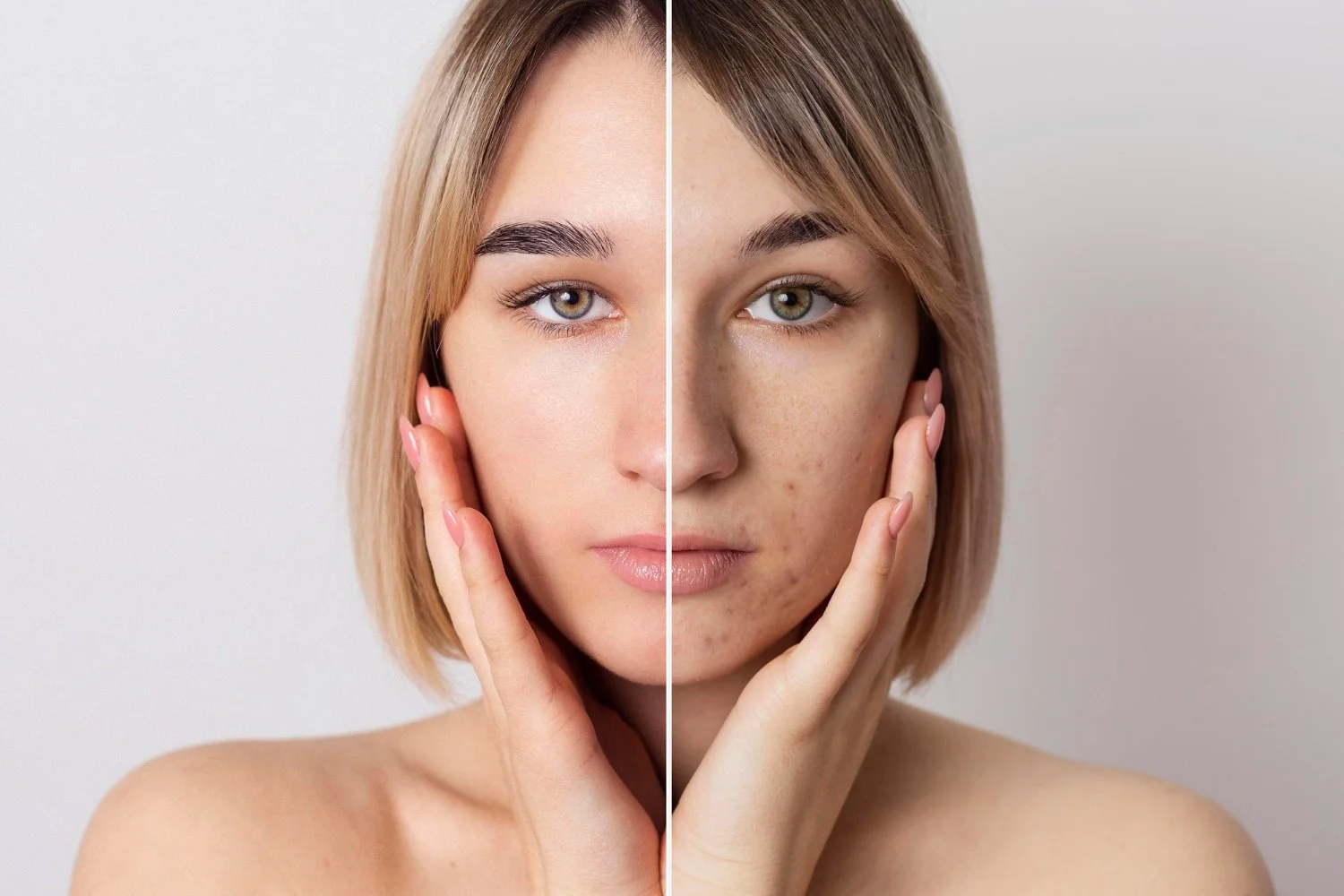
Skin pigmentation can make your complexion look uneven, even when you follow a regular skincare routine. Dark patches on the cheeks, stubborn marks left behind by acne, and sunspots on the forehead are common concerns for people living in Dubai. The city's strong sunlight and year-round outdoor exposure can make existing pigmentation more noticeable, while hormonal changes and skin inflammation may contribute to new patches.
The good news is that several professional treatments can help improve skin tone when selected according to the type and depth of pigmentation. From Lumecca IPL and Q-Switched Nd:YAG laser treatments to chemical peels and Aerolase, the right approach depends on your skin condition, skin tone, medical history and treatment goals. At Athena Derma, the aim is to help patients understand their options before choosing a suitable treatment plan.
This guide explains the main causes of pigmentation, available treatment options, expected results, recovery considerations and what to know about pigmentation treatment costs in Dubai.
What Causes Skin Pigmentation?
Skin pigmentation develops when melanin, the natural pigment responsible for skin colour, accumulates unevenly in certain areas. Melanin helps protect the skin against ultraviolet radiation, but excessive or irregular pigment production can result in darker patches. Sometimes, the pigment is concentrated near the skin's surface; in other cases, it sits deeper in the skin, which can make it more difficult to treat.
Understanding the underlying cause is important because two people with similar-looking dark patches may need completely different treatment approaches.
Sun exposure is a major contributor to pigmentation in Dubai. Ultraviolet radiation can stimulate melanin production and darken existing spots, particularly on areas such as the face, neck, hands and shoulders. Hormonal changes can also contribute to melasma, a condition frequently associated with pregnancy and hormonal medication.
In addition, inflammation caused by acne, eczema, skin irritation or unsuitable skincare products may leave dark marks after the original problem has settled. Certain medications and other medical conditions can also affect skin colour, so persistent or unusual pigmentation should be assessed by a qualified medical professional.
Why Dubai's Climate Matters
Dubai's sunny climate makes consistent sun protection particularly important when managing pigmentation. Even after a successful procedure, repeated ultraviolet exposure can trigger further pigment production and reduce the durability of the results. Heat may also aggravate melasma in some individuals, although sunlight remains an especially important factor to manage.
A broad-spectrum sunscreen of at least SPF 30, preferably SPF 50+ for people prone to pigmentation, together with shade and protective clothing, can help reduce further darkening. The American Academy of Dermatology recommends a broad-spectrum sunscreen as a cornerstone of pigmentation management and post-treatment care. Dermatologists may also recommend tinted sunscreen containing iron oxides for additional protection against visible light, depending on the condition.
"Two people with similar-looking dark patches may need completely different treatment approaches. Understanding the underlying cause is the first step to effective pigmentation treatment."
Types of Pigmentation
Not all dark spots are the same. Their appearance, distribution, underlying cause and depth help determine which treatments are appropriate. Some conditions respond well to topical skincare and superficial procedures, while others require longer-term management to reduce recurrence. Identifying the correct type of pigmentation before starting treatment can also help prevent unnecessary irritation or procedures that may worsen the problem.
| Type | Appearance | Key treatment consideration |
|---|---|---|
| Melasma | Irregular brown or grey-brown patches on cheeks, forehead, upper lip | Prone to recurrence; some lasers can worsen it |
| Sunspots | Flat brown spots on sun-exposed areas | Examine unusual lesions before cosmetic treatment |
| Post-acne pigmentation | Dark marks after healed pimples or inflammatory lesions | Control active acne first; common in darker skin tones |
| Uneven skin tone | Patchy, dull or less uniform areas of skin | Requires accurate diagnosis before choosing a procedure |
| Sun damage (general) | Fine lines, roughness, uneven pigment from UV exposure | Broad approach; ongoing sun protection essential |
Melasma
Melasma typically appears as irregular brown or grey-brown patches on the cheeks, forehead, upper lip or other parts of the face. It is associated with hormonal influences and sun exposure, and it can affect people of different skin tones. Unlike an isolated sunspot, melasma may return even after visible improvement, making maintenance an important part of treatment.
A dermatologist may recommend sun protection, prescription topical medication and carefully selected procedures. Lasers and intense pulsed light are not suitable for everyone with melasma because irritation can worsen pigmentation or trigger a recurrence.
Sunspots
Sunspots, also called solar lentigines, are flat brown spots that develop after cumulative exposure to ultraviolet radiation. They commonly appear on the cheeks, forehead, hands and other sun-exposed areas. Although many sunspots are harmless, a new, changing, irregular or unusual dark lesion should be examined before cosmetic treatment is considered.
Once a dermatologist confirms the diagnosis, selected light-based treatments, lasers or chemical peels may help improve their appearance. Daily sunscreen and appropriate sun-protection habits are important to reduce the risk of additional spots developing.
Post-Acne Pigmentation
Post-acne pigmentation refers to dark marks that remain after pimples or other inflammatory skin lesions have healed. These marks are particularly common in darker skin tones and may persist for months, especially when the skin continues to experience inflammation or sun exposure. They are different from atrophic or raised acne scars, which involve changes in skin texture.
Treatment may include controlling active acne, using suitable topical ingredients and considering professional chemical peels or carefully selected laser procedures. Picking pimples, using harsh exfoliants and introducing too many active skincare products can increase irritation and contribute to further pigmentation.
Uneven Skin Tone
Uneven skin tone describes a broader appearance in which certain areas look darker, duller or less uniform than the surrounding skin. It may result from sun damage, previous inflammation, hormonal pigmentation or a combination of factors. Because it is a description rather than a single diagnosis, treatment should begin by identifying what is causing the discolouration.
Some people benefit from a consistent skincare routine and sun protection, while others may be suitable candidates for professional peels or light-based procedures. A tailored assessment helps establish realistic expectations and reduces the risk of treating the wrong condition.
A patient in her mid-thirties visits a dermatology clinic after noticing brown patches across her cheeks and upper lip that have become more noticeable over the past year. She has been using a vitamin C serum without much improvement. After assessment, the dermatologist identifies melasma -- likely triggered by her oral contraceptive combined with daily sun exposure. Rather than recommending IPL or laser immediately, the clinician starts with prescription topical treatment and strict sun protection, explaining that aggressive light-based procedures could worsen melasma and lead to further darkening. This outcome illustrates why diagnosis comes before treatment selection.
Best Treatments for Pigmentation in Dubai
Several professional options can help improve pigmentation, but the most suitable procedure depends on the diagnosis, skin tone, pigment depth and tolerance for downtime. A treatment that works well for an isolated sunspot may not be the best first choice for melasma or post-acne marks. The following options are available to discuss with a qualified clinician at Athena Derma, subject to individual assessment and suitability.
Lumecca IPL
Lumecca is an intense pulsed light (IPL) technology designed to address selected pigmentation and other visible signs of sun damage. It delivers controlled pulses of light that target specific structures in the skin, including melanin. Following treatment, pigmented areas may darken temporarily before gradually becoming less noticeable as the skin heals.
The procedure may be considered for certain superficial sunspots and related concerns, but it is not appropriate for every pigmentation disorder. IPL can cause burns or additional darkening in susceptible skin, particularly when settings or patient selection are unsuitable. People with darker skin tones or suspected melasma need careful assessment before treatment.
Q-Switched Nd:YAG Laser
A Q-Switched Nd:YAG laser delivers short pulses of laser energy that can target selected pigment deposits. Depending on the wavelength, settings and diagnosis, it may be considered for certain forms of pigmentation, including selected sunspots and post-inflammatory marks. Results usually depend on the number of sessions, pigment depth and the skin's response.
Some patients require a course of treatments rather than a single appointment, and recurrence remains possible with conditions such as melasma. In darker skin tones, careful parameter selection and appropriate aftercare are essential because laser procedures can also trigger post-inflammatory hyperpigmentation. A dermatologist should explain the expected benefits and risks before proceeding.
Chemical Peels
Chemical peels use carefully selected acids to exfoliate the skin and encourage the removal of superficial pigmented cells. Depending on the formulation, a peel may help improve mild sun damage, post-acne marks and some forms of uneven skin tone. Superficial peels generally involve less downtime than deeper procedures, although temporary redness, dryness, peeling and sensitivity can occur.
The strength and ingredients must be chosen according to the condition and skin type. Aggressive peels can cause irritation and worsen pigmentation, particularly in people prone to post-inflammatory hyperpigmentation. Professional guidance, appropriate preparation and consistent sun protection are therefore important parts of treatment.
Aerolase
Aerolase is a laser platform used in dermatology and aesthetic treatments, with potential applications depending on the specific device and protocol. Certain Aerolase treatments may be considered for selected pigmentation concerns, but suitability cannot be established from the device name alone.
The clinician must identify whether the discolouration is caused by melasma, sun damage, post-acne inflammation or another condition before recommending a procedure. Skin tone, recent sun exposure, current medication and previous treatment reactions should also be considered. Patients should ask which Aerolase technology and protocol are being proposed, what evidence supports its use for their diagnosis, and what risks or downtime to expect. As with any energy-based procedure, individual results are not guaranteed.
Skin Boosters
Skin boosters are injectable treatments generally used to improve skin hydration, texture and overall appearance. Their primary purpose is not to remove excess melanin or directly treat every form of pigmentation. They may sometimes be considered as part of a broader aesthetic plan when improving skin quality is also a goal, but they should not replace a targeted pigmentation treatment without a clear clinical reason.
If dark patches are the main concern, a dermatologist may recommend another approach first. Ask your clinician whether a skin booster is likely to address your specific concern, what benefit is realistically expected and whether the additional procedure is necessary.
Combination Treatment
Some people need a combination approach rather than a single procedure. Depending on the diagnosis, a clinician may combine sun protection, suitable topical products and selected professional treatments to address different aspects of pigmentation. For example, managing active acne is essential when dark marks continue to develop, while a person with melasma may need a long-term maintenance plan after initial improvement.
Combining treatments does not automatically make results faster or better; procedures can increase irritation when used too aggressively or too close together. A carefully planned sequence, appropriate recovery time and regular review can help balance improvement with safety.
"Combining treatments does not automatically make results faster or better. A carefully planned sequence, appropriate recovery time and regular review can help balance improvement with safety."
Melanin comes in two main forms: eumelanin (brown to black) and pheomelanin (red to yellow). Most skin pigmentation disorders involve eumelanin. When skin is injured or inflamed -- by acne, a burn or even an overly aggressive peel -- the melanocytes that produce melanin can go into overdrive, depositing pigment in the healing area. This is why post-inflammatory hyperpigmentation is especially common in medium to dark skin tones, and why inflammatory skin conditions should be controlled before starting professional pigmentation treatments.
Pigmentation Treatment Cost in Dubai
The cost of pigmentation treatment in Dubai depends on the procedure selected, the size and number of areas being treated, the severity of pigmentation and the number of sessions recommended. A consultation may also involve assessment fees, prescription products or follow-up visits, depending on the clinic's pricing structure. Because these factors vary from patient to patient, it is important to obtain a personalised quotation instead of relying on a single advertised price.
Different procedures have different requirements, so their costs should not be compared without considering the intended outcome. A chemical peel, for example, differs from an IPL or Q-Switched Nd:YAG laser procedure in its technique, suitability, recovery requirements and potential risks. A combination plan may involve several appointments and ongoing skincare, which can affect the total treatment budget. The least expensive option is not necessarily the most appropriate if it does not address the underlying cause of pigmentation.
| Factor | How it may affect the cost |
|---|---|
| Type of treatment | Different procedures have different equipment, consumable and clinical requirements. |
| Size of the treatment area | Treating multiple areas may require more time or additional sessions. |
| Severity and depth | Persistent or deeper pigmentation may need a more involved treatment plan. |
| Number of sessions | The overall cost increases when multiple appointments are required. |
| Aftercare and skincare | Prescribed products, sunscreen and follow-up appointments may add to the total. |
At Athena Derma, ask for a clear breakdown of the proposed treatment, the estimated number of sessions, any consultation charges and the expected aftercare expenses. You should also confirm whether follow-up appointments are included. A transparent quotation makes it easier to compare options while prioritising clinical suitability and safety over price alone.
Frequently Asked Questions: Pigmentation
Before any pigmentation consultation, photograph your skin in natural daylight from the same distance and angle. Do this weekly for a month before your appointment. This gives your dermatologist a timeline of how the patches have changed, which is especially useful for distinguishing melasma from post-inflammatory pigmentation or sun damage -- conditions that can look similar but need very different treatment plans.
Laser Skin Resurfacing in Dubai: Types, Cost & Recovery
Laser skin resurfacing is a cosmetic dermatological procedure that uses concentrated light energy to improve the appearance and texture of the skin. Depending on the laser technology, it can remove controlled portions of the skin's surface, stimulate renewal in targeted areas or encourage collagen remodelling beneath the surface. The aim is to reduce the visibility of concerns such as acne scars, fine lines, uneven texture and selected forms of sun damage.
Unlike a conventional facial, which primarily focuses on cleansing and improving the skin's temporary appearance, resurfacing procedures target specific skin changes and may require a planned recovery period.
Laser resurfacing technologies generally fall into two broad categories: ablative and non-ablative treatments. Ablative lasers remove controlled amounts of tissue, whereas non-ablative lasers primarily heat underlying tissue without removing the same amount of surface skin. Fractional technology takes a different approach to delivery by treating microscopic columns or zones while leaving surrounding tissue untreated. This can support healing, although recovery and results depend on the device, settings and intensity selected. Some systems, including UltraClear, offer different treatment modes designed to address varying concerns and downtime preferences.
A consultation is essential before deciding whether resurfacing is suitable. A dermatologist or appropriately qualified medical professional should assess your skin type, the condition being treated, medical history, current medications and expectations. They can also explain potential risks, alternatives, preparation requirements and aftercare. The right procedure is not necessarily the strongest one; it is the one that offers an appropriate balance between expected improvement, skin safety and recovery time.
What Skin Concerns Can Laser Resurfacing Treat?
Laser skin resurfacing can help improve several visible skin concerns, but results vary according to the type of problem and the technology used. Some conditions respond primarily to changes in skin texture, while others involve excess pigment or deeper structural changes. Understanding the difference helps set realistic expectations before treatment.
Acne Scars
Acne scars can remain long after active breakouts have disappeared. Depressed scars, uneven surfaces and changes in skin texture may respond to selected resurfacing treatments that encourage collagen remodelling. Fractional laser procedures can help make certain scars less noticeable, although deep or tethered scars may require a combination of treatments. The goal is generally to improve texture and reduce scar visibility rather than promise completely scar-free skin.
Fine Lines
Fine lines often develop through a combination of natural ageing, repeated facial movements and cumulative sun exposure. Certain resurfacing treatments can soften their appearance by improving the skin's surface and supporting collagen remodelling. Results depend on the depth of the lines, skin condition and selected treatment intensity. Deeper wrinkles may require additional or alternative treatments, and no laser can stop the natural ageing process.
Pigmentation
Sunspots, selected age spots and some forms of uneven pigmentation may improve with an appropriate laser resurfacing procedure. However, pigmentation is not a single condition, and melasma requires particular care because heat and inflammation may aggravate it. A clinician should determine whether the dark areas are suitable for resurfacing or whether topical medication or another procedure would be more appropriate. People prone to post-inflammatory hyperpigmentation need careful assessment before treatment.
Uneven Texture
Rough patches, visible pores and irregular skin texture can make the complexion appear less smooth. Fractional resurfacing may help improve selected texture concerns by treating targeted areas and supporting skin renewal. The extent of improvement depends on the underlying cause, the treatment settings and the body's healing response. A consistent skincare routine can support the outcome, but it cannot replace professional assessment when texture changes are significant.
Sun Damage
Long-term exposure to ultraviolet radiation can contribute to fine lines, roughness, uneven pigmentation and other visible changes. Selected laser procedures may help improve some of these features, but treatment does not eliminate the need for sun protection or replace medical evaluation of suspicious skin lesions. Daily sunscreen and protective habits remain important after treatment because further sun exposure can contribute to recurring damage.
Types of Laser Skin Resurfacing
Different laser technologies work at different depths and offer different balances between results and recovery. Understanding these categories can help you ask more informed questions during a consultation, although the names of the devices alone cannot determine which procedure is best for your skin.
Ablative laser resurfacing removes controlled portions of the skin's surface. CO2 and Er:YAG lasers are examples of technologies used for this purpose. Depending on the settings, ablative procedures can address certain wrinkles, scars and texture concerns, but they generally involve more recovery and carry risks such as infection, scarring and changes in pigmentation. The intensity of the treatment influences both the potential improvement and the recovery period.
Non-ablative laser resurfacing primarily heats targeted tissue without removing the same amount of surface skin. These procedures are often selected when a more gradual approach is appropriate, although the term covers different devices and treatment methods. Patients may experience less downtime than with an aggressive ablative procedure, but several sessions may be needed to achieve the desired improvement.
Fractional laser resurfacing delivers energy to small, targeted areas rather than treating the entire surface uniformly. The surrounding untreated skin can support the healing process. Fractional delivery can be used with different laser technologies and at varying intensities, so it should not automatically be considered a low-downtime treatment. The device, treatment mode, settings and individual skin response all influence recovery.
| Treatment category | Main approach | Recovery considerations |
|---|---|---|
| Ablative resurfacing | Removes controlled portions of surface skin | Often requires more substantial healing time |
| Non-ablative resurfacing | Heats targeted tissue without comparable surface removal | Usually less surface disruption, but multiple sessions may be needed |
| Fractional resurfacing | Treats microscopic zones while leaving surrounding tissue untreated | Depends on the laser technology and treatment intensity |
| UltraClear laser | Offers different resurfacing modes, including fractional applications | Downtime varies according to the selected mode and protocol |
No category is automatically right for everyone. A clinician should consider your skin tone, scar type, pigmentation history, tolerance for downtime and desired outcome before recommending a treatment.
How Much Does Laser Skin Resurfacing Cost in Dubai?
The laser skin resurfacing cost in Dubai depends on the technology used, the area treated, the intensity of the procedure and the number of sessions required. Clinic fees can also vary according to the clinician's expertise, consultation requirements and aftercare included in the package. As a result, two procedures described as laser resurfacing may have substantially different prices and may not deliver comparable results.
The following table provides indicative budgeting ranges from published Dubai pricing guides. These are market estimates, not confirmed prices from Athena Derma, and the exact treatment included in a quotation should always be checked.
| Laser treatment | Indicative price in Dubai |
|---|---|
| Non-ablative fractional laser | AED 1,500 to 3,000 per session |
| Fractional CO2 laser, full face | AED 2,500 to 5,000 |
| Er:YAG laser, full face | AED 2,500 to 4,500 |
| Targeted area (around eyes or mouth) | AED 1,200 to 2,500 |
Source: Published Dubai market estimates. Actual clinic prices, treatment intensity and package inclusions may differ. Athena Derma's specific UltraClear pricing was not established by published sources reviewed; contact the clinic directly for an accurate quotation.
A patient in his late forties with fair skin comes in asking about laser resurfacing after seeing advertisements for a local clinic. He has mild rolling acne scars and some roughness from sun exposure but no active pigmentation disorder. After consultation, his dermatologist recommends a fractional non-ablative laser course -- three sessions spaced five weeks apart -- rather than a more intensive ablative procedure. The reasoning: his concerns are moderate, he has an active social schedule, and the gentler approach gives his skin time to respond without several weeks of significant downtime. He is told to expect gradual improvement over six months as collagen remodelling takes effect.
Recovery and Downtime
Recovery after laser skin resurfacing depends on the technology, treatment intensity and individual healing response. Some superficial procedures may cause temporary redness and sensitivity, while more intensive resurfacing can lead to swelling, crusting, peeling or small areas of disrupted skin that require careful care. You should not assume that every fractional laser offers the same recovery experience.
For some moderate UltraClear treatments, the manufacturer's guidance indicates approximately three to five days of downtime. This is a general guide rather than a guarantee, and more intensive treatments can require a longer recovery period.
During recovery, follow your clinician's instructions carefully. These may include using gentle skincare products, keeping the treated area appropriately moisturised, avoiding picking or scrubbing the skin, and protecting it from sunlight. You may also need to pause certain active ingredients, such as retinoids or exfoliating acids, until your clinician confirms that they can be reintroduced safely. Avoid applying unapproved products to skin that has not healed.
Before booking, consider your work commitments, travel plans and upcoming social events. Even after the visible redness has settled, the skin may remain sensitive, and improvements in texture can continue over the following weeks or months.
Schedule laser resurfacing sessions in a cooler, lower-UV month if your calendar allows. In Dubai, late October through February typically offers lower UV index days, which makes post-treatment sun avoidance easier to manage. This is especially relevant for fractional CO2 treatments, where the treated skin can remain sensitive to sun for several weeks after the procedure.
Frequently Asked Questions: Laser Skin Resurfacing
Conclusion
Laser skin resurfacing can be a valuable option for improving selected acne scars, fine lines, pigmentation and uneven skin texture. However, the right procedure depends on your skin condition, the depth of the concern, your skin tone and the amount of recovery time you can accommodate. Understanding the differences between ablative, non-ablative and fractional laser treatments helps you make a more informed decision.
For anyone researching laser skin resurfacing cost in Dubai, remember that the lowest advertised price may not reflect the complete treatment plan. Consider the technology, clinician's qualifications, expected results, downtime and aftercare alongside the price. UltraClear offers different resurfacing modes, but the suitability of a particular mode should be assessed individually. With a medically appropriate treatment plan, realistic expectations and consistent aftercare, you can work towards smoother-looking skin while prioritising safety.
Book a Laser Skin Resurfacing Consultation at Athena Derma
Ready to explore options for smoother, healthier-looking skin? Athena Derma offers UltraClear laser resurfacing in Dubai for selected skin concerns, subject to clinical assessment. A personalised consultation can help you understand the treatment modes available, expected results, recovery requirements and the overall cost of your proposed plan.
Before proceeding, discuss your goals, medical history and any previous reactions to laser treatments. Ask about the clinician's experience, potential side effects and suitable alternatives so you can make an informed decision.
Book a Pigmentation or Laser Consultation at Athena Derma
Are dark spots, melasma or uneven texture affecting your confidence? Athena Derma offers pigmentation treatment options including Lumecca IPL, Q-Switched Nd:YAG laser, Aerolase and UltraClear laser resurfacing, subject to individual assessment. Discuss your concerns, expected results and treatment plan before making a decision.
Book a Consultation