
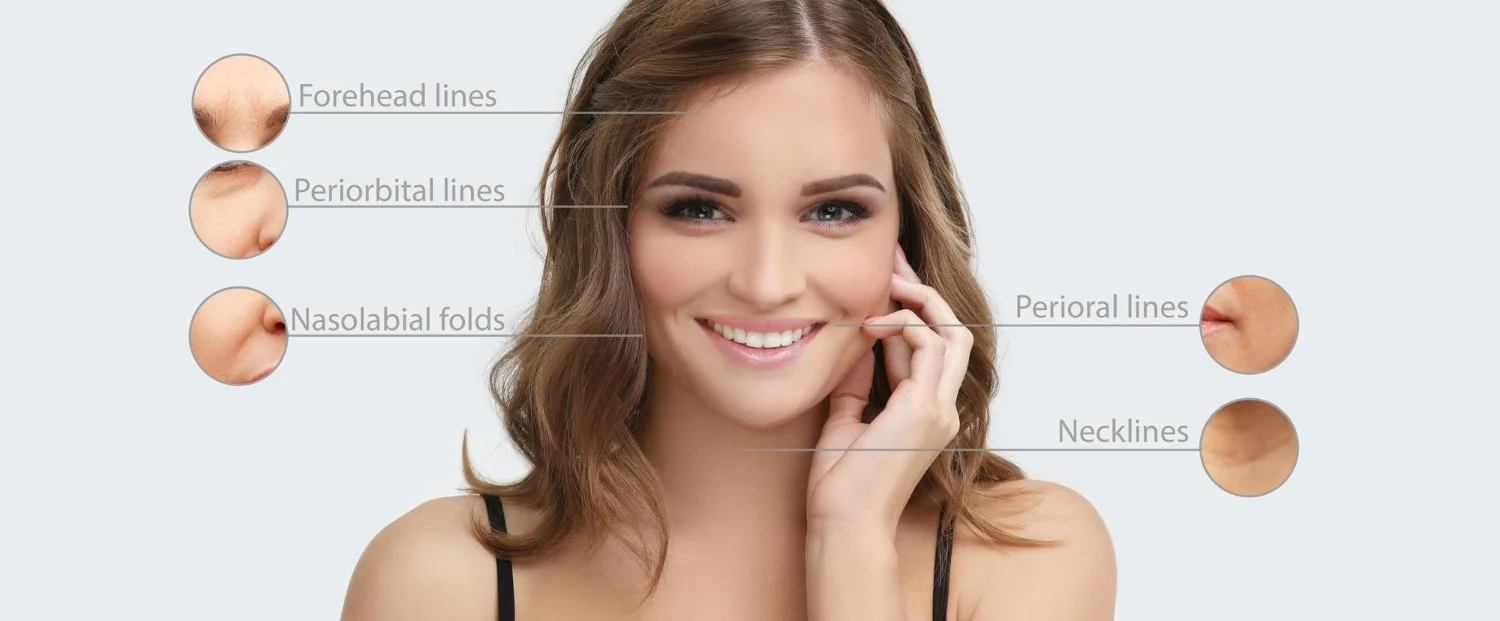
Have you noticed your lips looking thinner, your cheeks appearing less defined, or certain lines around your mouth becoming more visible? These changes can occur naturally as your skin ages and facial volume gradually shifts. If you want to enhance selected facial features without undergoing surgery, dermal fillers may be an option worth exploring. These injectable treatments are designed to add volume, improve facial contours and soften certain lines, depending on the product used and the area being treated. They are popular among people who want to make subtle changes while maintaining their natural appearance.
However, dermal fillers are medical treatments, not simply beauty products. Different filler materials have different properties, benefits, durations and potential risks. The right choice depends on your facial anatomy, medical history and personal goals. In this guide, we explain what dermal fillers are, the areas they can treat, the available types, expected results, possible side effects, aftercare requirements and the factors influencing dermal filler cost in Dubai. This information can help you prepare for a consultation with a qualified dermatologist and make a more informed decision about your treatment.
What Are Dermal Fillers?
Dermal fillers are gel-like or other injectable materials placed beneath the skin or within specific facial tissues to restore fullness, enhance contours or soften selected lines. They are commonly used in aesthetic dermatology to address changes associated with ageing, naturally low facial volume and particular cosmetic concerns. Some fillers contain hyaluronic acid, a substance naturally present in the body that helps retain moisture. When formulated for injection, hyaluronic acid can provide structure and fullness in selected areas. Other fillers use different materials and work through different mechanisms, so they are not interchangeable.
One reason people consider dermal fillers is that many treatments can be completed during an outpatient appointment without surgery or general anaesthesia. Depending on the product and treatment area, the results may be visible immediately or develop gradually over several weeks. For example, a hyaluronic acid filler may create visible fullness soon after injection, while a collagen-stimulating product may take longer to produce its intended effect. Swelling and bruising can temporarily affect the appearance of the treated area, so the initial result may not represent the final outcome. A qualified practitioner should explain what to expect from the specific product being considered.
It is also important to understand that dermal fillers do not stop the natural ageing process. Their purpose is to address specific concerns, such as volume loss, lip definition or selected facial folds. Some products are temporary and gradually break down in the body, while others have longer-lasting effects. Certain hyaluronic acid fillers can be dissolved with an enzyme called hyaluronidase, but this is not a guarantee that every complication can be reversed or that correction will always be straightforward. Permanent fillers present different considerations and may be more difficult to remove. Your dermatologist should explain the product's properties, intended use, limitations and potential risks before treatment.
"Dermal fillers are medical treatments, not simply beauty products. The right choice depends on your facial anatomy, medical history and personal goals."
What Can Dermal Fillers Treat?
Dermal fillers can be used for several facial aesthetic concerns at Athena Dermatology Clinic, but the best treatment depends on what is causing the concern in the first place. A hollow appearance may result from reduced volume, while a prominent fold may be influenced by facial anatomy, skin changes or the way tissues move. Treating every concern with additional filler is not necessarily appropriate. A careful assessment helps determine whether filler is suitable, which area should be treated and how much product may be needed. The goal should be to improve facial balance without creating unnecessary fullness.
The FDA provides guidance on approved filler uses and areas.
A patient in her early fifties has noticed that her cheeks look flatter than they did in her thirties and that the lower part of her face looks heavier by comparison. She has not had any previous cosmetic treatment. After a full assessment, a dermatologist discusses whether a small amount of cheek filler could restore some proportion, while also explaining that she needs to manage her expectations about what a temporary treatment can achieve.
Lip Enhancement
Lip fillers are commonly used to improve lip fullness, definition and symmetry. If your lips naturally appear thin or have lost some volume over time, a suitable filler may help create a fuller appearance while preserving your natural proportions. Treatment can focus on the body of the lips, the lip border or selected areas where greater definition is desired. The amount of filler should be tailored to your existing anatomy rather than chosen according to a standard volume. Conservative treatment can help avoid an overfilled appearance and may be particularly useful for people considering lip fillers for the first time.
Cheek Enhancement
Cheek fillers may be considered when the midface looks hollow, lacks definition or has lost volume over time. Depending on your anatomy, a practitioner may use filler to enhance the cheek area and improve the appearance of facial contours. The aim is not necessarily to create prominent cheekbones; some people simply want to restore fullness that has gradually diminished. Treatment planning should consider the relationship between the cheeks, under-eye area and lower face. Too much filler can make the face look heavy or disproportionate, so the amount and placement require careful judgement.
Chin Enhancement
Chin fillers may help improve chin projection, definition or the appearance of certain contour irregularities without surgery. They can be an option for people who want to explore a non-surgical approach to facial balancing. However, filler cannot correct every structural concern, and the result depends on the individual's existing bone structure, skin and soft tissue. A practitioner should assess the chin in relation to the nose, lips and jawline before recommending treatment. It is also important to understand that the results are temporary when an absorbable filler is used and may require maintenance.
Jawline Contouring
Jawline fillers may be used to enhance definition along the lower face or improve the appearance of selected contour irregularities. They may appeal to people who want a more defined jawline without undergoing surgery. The treatment approach depends on the person's anatomy, skin laxity and desired outcome. In some cases, adding volume may not address the underlying concern, particularly if loose skin or other structural changes are the main issue. A dermatologist should explain whether filler is suitable and discuss the possibility of swelling, asymmetry and other complications before proceeding.
Facial Volume Loss
Changes in facial volume can make the cheeks appear hollow and alter the overall balance of the face. Dermal fillers may help restore fullness in selected areas, depending on the cause and severity of the volume loss. A practitioner may assess the midface, temples or other regions when deciding whether filler could be beneficial. The aim should be to support natural facial proportions rather than fill every hollow area. Volume restoration is a personalised process, and a staged approach may be preferable when several areas are involved.
Types of Dermal Fillers
Not all dermal fillers contain the same ingredients or produce the same results. Their composition affects how they behave within the tissue, which areas they may be suitable for and how long their effects may last. The most appropriate product depends on the treatment goal, the injection site, your medical history and the practitioner's clinical judgement. Understanding the main filler categories can help you ask more informed questions during your consultation.
| Filler type | General characteristics | Important considerations |
|---|---|---|
| Hyaluronic acid (HA) | Adds volume and helps improve fullness and selected contours | Many products provide temporary results; some can be dissolved with hyaluronidase |
| Calcium hydroxylapatite (CaHA) | Provides structural support and may stimulate collagen production | Product selection and placement depend on the intended treatment |
| Poly-L-lactic acid (PLLA) | A collagen-stimulating material that produces gradual changes | Results develop over time, and treatment may require multiple sessions |
| Polymethylmethacrylate (PMMA) | A longer-lasting material used in specific indications | Not readily absorbed and more difficult to remove than temporary fillers |
| Autologous fat transfer | Uses processed fat taken from the patient's own body | Involves a separate fat-harvesting procedure and differs from standard injectable fillers |
Hyaluronic acid is not the same as the hyaluronic acid in your moisturiser. Topical HA in skincare sits on the surface of the skin and cannot replicate the structural effect of injected HA filler. Injectable products are formulated to remain in tissue and provide sustained volume rather than surface hydration.
*These categories are not interchangeable. Availability, authorised uses and product-specific indications vary by country.
The FDA provides further guidance on filler materials and their approved uses. Hyaluronic acid fillers are widely used because they can provide immediate fullness and are available in formulations designed for different areas. Some products are softer and more flexible, while others provide greater structural support. Calcium hydroxylapatite fillers have different properties and may be considered for selected indications where additional support is desired. Poly-L-lactic acid works differently by stimulating collagen production, so its effects develop gradually rather than appearing entirely at the time of injection.
PMMA fillers contain material that remains in the body for a long time and therefore require particularly careful consideration. They are not equivalent to temporary hyaluronic acid fillers, and correction may be more complicated. Fat transfer is another option for restoring volume, but it involves harvesting fat from another part of the body and is a different procedure from conventional dermal filler injections. No single filler is ideal for every face. Ask your dermatologist about the specific product, its intended use, its expected duration and the options available if an unwanted result or complication occurs.
What specific product will you use, and is it approved for this area? How is it different from other fillers on the market? What happens when it wears off? Can it be dissolved if I am unhappy with the result? What complications should I watch for and when should I contact the clinic? Getting clear answers to these questions protects you.
Benefits of Dermal Fillers
One potential benefit of dermal fillers is their ability to add fullness to selected areas without conventional surgery. Depending on the product and treatment plan, they may help enhance the lips, restore cheek volume or improve facial contours. Many treatments are performed during an outpatient appointment, and most people can return to ordinary daily activities relatively quickly. However, the recovery experience varies, and temporary swelling or bruising may affect your plans.
The American Academy of Dermatology explains that fillers can be tailored to individual facial features, supporting subtle, natural-looking results. Rather than applying the same approach to everyone, a practitioner can assess which areas may benefit from additional volume and which should be left unchanged. This personalised approach can help avoid the assumption that every facial line or hollow needs to be treated with an injectable product.
Many hyaluronic acid fillers produce visible changes soon after treatment, allowing patients to see an early indication of the outcome. The treated area may look different as swelling settles, so patience is important before judging the final appearance. Other fillers produce gradual results, which may suit people who prefer a slower change. Your practitioner should explain the expected timeline for the selected product.
Finally, some temporary hyaluronic acid fillers can be dissolved with hyaluronidase when clinically appropriate. This may provide an option for managing certain unwanted results, although it does not eliminate the risks associated with injection or guarantee complete correction. Other filler types may not be readily reversible. A clear understanding of these differences is essential when weighing the benefits against the possible complications.
How Long Do Dermal Fillers Last?
The duration of dermal filler results depends on the material used, the treatment area, the amount injected and your individual response. Hyaluronic acid fillers often last several months, with the American Academy of Dermatology describing a typical range of approximately four to twelve months for this category. Calcium hydroxylapatite products may last around six months to a year in some uses, while collagen-stimulating treatments can have effects lasting longer. These are broad reference ranges rather than predictions for a particular patient or product.
The area being treated can also influence how long a result remains noticeable. Areas that move frequently may behave differently from areas where filler is used for structural support. The product's formulation, the injection technique and changes in your facial tissues over time can also affect the outcome. Even when a filler remains present, its appearance may change as your face naturally ages.
Maintenance treatment may be appropriate for some people, but repeated injections should not be automatic. Your practitioner should reassess the treated area before recommending additional product. Adding more filler before the previous treatment has been properly evaluated can contribute to excessive volume or an unbalanced appearance. Ask how long the selected product is expected to last in the specific area, when a review appointment is advisable and whether there are alternatives to repeat injections.
"Adding more filler before the previous treatment has been properly evaluated can contribute to excessive volume or an unbalanced appearance."
Are Dermal Fillers Safe?
Dermal fillers can be suitable for many people when the correct product is used for an appropriate indication and the treatment is performed by a qualified, experienced medical professional. However, they are not risk-free. Common side effects include redness, swelling, tenderness, bruising and discomfort around the injection site. These effects are often temporary, but their severity and duration vary. Some people may experience lumps, uneven contours, infection, inflammation or allergic reactions. Your practitioner should explain the likely side effects and the specific risks associated with the treatment area before obtaining your consent.
The FDA warns that one of the most serious complications is accidental injection of filler into a blood vessel. This can block blood flow and cause tissue damage, skin necrosis, visual impairment or, in rare cases, a stroke. Although these complications are uncommon, they can be severe and require urgent medical management. Some facial areas are particularly challenging to inject safely, so the practitioner must understand facial anatomy and be prepared to recognise and manage complications. Do not assume that a procedure is safe simply because it is advertised as non-surgical.
If you experience severe or worsening pain, unusual skin colour changes or vision problems after treatment, seek urgent medical attention. Safety and appropriate medical care should always take priority over price or convenience.
Dermal Filler Recovery and Aftercare
Recovery after dermal filler treatment is usually manageable, but it depends on the product, injection area and individual response. You may notice swelling, tenderness, redness or bruising shortly after your appointment. These effects often improve over the following days, although some people need longer for them to settle. Your treated area may initially look fuller than expected because of swelling, so avoid judging the final result immediately. Your practitioner should explain the expected recovery period and whether your particular treatment requires any additional precautions.
The American Academy of Dermatology recommends avoiding strenuous exercise until the following day and protecting treated areas from sun exposure and tanning. You should generally avoid touching the injection sites for three days unless your dermatologist specifically instructs you to massage an area. Do not massage, press or manipulate the filler yourself in an attempt to improve its shape. Some products require particular aftercare, so instructions can differ according to the material used.
If you have an important event approaching, discuss the timing of treatment with your practitioner. Although many people return to their usual activities quickly, bruising or swelling may remain visible for several days or longer. Allowing sufficient recovery time can reduce unnecessary stress and give you an opportunity to attend a follow-up appointment if needed.
Contact your clinic if you develop persistent or worsening symptoms. Seek emergency medical attention if you experience vision changes, severe pain, skin that becomes unusually pale or discoloured, or other signs that may indicate a serious complication. Do not wait for a routine follow-up appointment if you suspect a blood vessel problem. Good aftercare includes knowing which symptoms are expected, which require a clinical review and which need immediate attention.
Dermal Fillers Cost in Dubai
The cost of dermal fillers in Dubai varies according to the treatment area, the product selected, the quantity required and the practitioner's experience. There is no single price that applies to every patient because a small lip enhancement and a multi-area facial contouring treatment involve different amounts of product and different levels of complexity. Clinic fees, consultation charges and follow-up arrangements may also affect the final amount. For this reason, an individual treatment plan is more useful than choosing a procedure based on a headline promotional price.
As a broad market reference, Dubai pricing guides published in 2026 show that dermal fillers can range from several hundred to several thousand UAE dirhams per syringe or treatment, depending on the product and clinic. One recent guide reports approximately AED 1,200 to 2,800 per syringe for many hyaluronic acid filler treatments. These are third-party market examples, not confirmed prices from Athena Dermatology Clinic. They should not be treated as a guaranteed quotation or a universal price range.
The treatment area can significantly influence the total cost because some areas may require more product than others. A conservative lip treatment may require less filler than a broader cheek or jawline enhancement. The brand and formulation also matter, as products designed for different purposes may have different prices. The clinician's qualifications, the clinic's facilities and the complexity of the procedure can contribute to the fee as well. It is therefore important to compare treatments on a like-for-like basis rather than comparing prices without understanding what is included.
Before booking, ask for a clear quotation that specifies the product, the amount proposed, the treatment areas and any consultation or follow-up charges. Confirm whether the quoted price covers one syringe or the complete planned treatment. You should also ask how the clinic handles complications and whether any additional appointments could incur fees. Avoid selecting a provider solely because the treatment is unusually cheap. A transparent quote, appropriate medical expertise and a suitable treatment plan are more meaningful than a discount alone.
A patient in her late twenties wants fuller lips. She has seen before-and-after photos online and comes to her appointment with a specific volume in mind. During the consultation, the dermatologist reviews the patient's existing lip proportions and face shape, and explains that the volume she is requesting would look disproportionate on her face. A smaller amount is discussed, and the patient agrees to a conservative first treatment before deciding whether she wants further adjustment.
Who Is a Good Candidate?
A suitable candidate for dermal fillers is someone who has a specific, realistic aesthetic goal and understands both the potential benefits and the limitations of treatment. You might want to enhance lip definition, restore selected areas of facial volume or improve the appearance of particular contours. However, wanting a cosmetic change does not automatically mean filler is the most appropriate solution. A dermatologist should assess your facial anatomy, skin condition, medical history and expectations before recommending a procedure.
Some people may need additional assessment or may not be suitable for particular fillers. A history of severe allergies, certain bleeding disorders, active skin infections and other medical considerations can affect the treatment decision. Tell your clinician about previous cosmetic injections, medicines, supplements and any relevant health conditions. Do not stop prescribed medication without medical advice. Pregnancy and breastfeeding should also be discussed with your practitioner because elective filler treatment is generally best deferred when safety evidence is limited.
The best candidates are prepared to make an informed decision without feeling pressured to change their appearance. Your consultation should include a discussion of alternatives, likely results, costs, aftercare and possible complications. If your expectations are unrealistic or a different treatment would be more appropriate, your dermatologist should explain that clearly. The aim is to find an approach that suits your needs, not to perform a procedure simply because it is available.
Avoid blood-thinning medications, aspirin, ibuprofen and fish oil supplements for the period your practitioner recommends before your appointment, as these can increase bruising. Tell your clinician about all medicines and supplements you take so they can advise whether a pause is appropriate for you. Never stop a prescribed medication without speaking to your doctor first.
Book a Consultation at Athena Dermatology Clinic
Considering dermal fillers in Dubai but unsure which treatment would suit your facial features? Athena Dermatology Clinic offers an opportunity to explore your aesthetic goals and discuss the available facial filler treatments. A consultation can help you understand the potential benefits, product options, expected results, recovery requirements and costs associated with your treatment plan.
Rather than choosing a filler based on price or trends, take the time to discuss your concerns with a qualified dermatologist. Your practitioner can assess your suitability and recommend an approach based on your individual needs.
Visit Athena Dermatology Clinic to explore the clinic's existing dermal filler treatment page and enquire about booking a consultation. Make an informed decision with realistic expectations, appropriate medical guidance and a focus on your safety.
Book a Consultation