
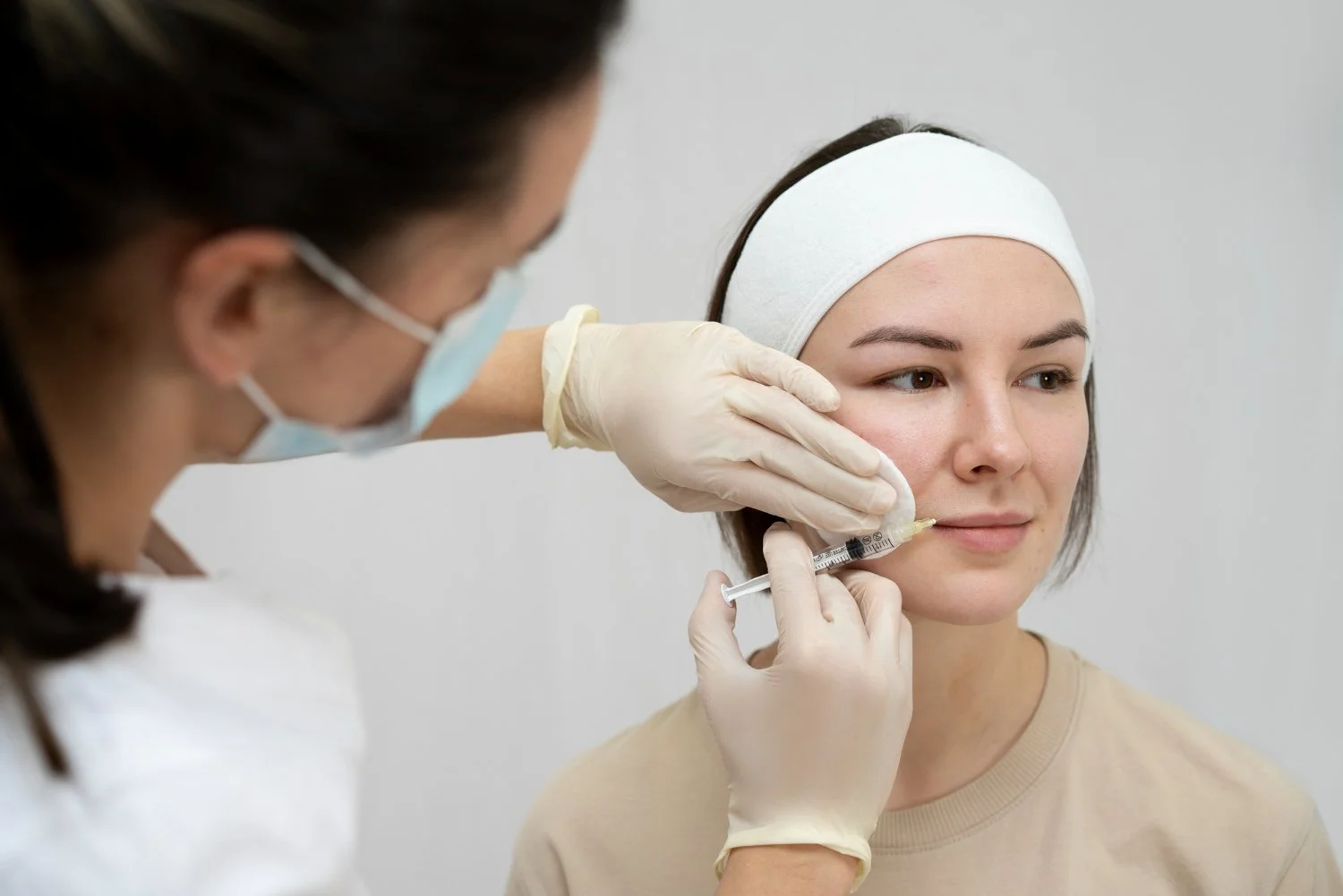
Have you noticed that your skin looks less hydrated, your cheeks appear flatter, or fine lines are becoming more visible? These changes can happen as the skin ages, loses moisture and gradually changes in elasticity and facial volume. If you are exploring aesthetic treatments in Dubai, you have probably come across two popular options: Profhilo and dermal fillers.
Both involve injections and may contain hyaluronic acid, but they serve different purposes. Profhilo is primarily used to improve skin quality, hydration and selected signs of skin laxity, whereas dermal fillers are designed to restore volume, enhance contours and soften certain folds. Choosing between them is not about deciding which treatment is universally better; it is about understanding what your skin needs.
At Athena Derma, patients can explore both options and discuss their suitability with a qualified medical professional. This guide compares how the treatments work, their benefits, costs, recovery and potential risks so you can make a more informed decision.
What Is Profhilo?
Profhilo is an injectable treatment made with a high concentration of hyaluronic acid. Hyaluronic acid is a substance naturally found in the body that helps retain moisture and supports the skin's hydrated appearance. Profhilo uses a specialised formulation designed to spread through the treated tissue rather than function primarily as a conventional, localised volumising filler. It is commonly discussed for concerns such as dehydrated-looking skin, reduced elasticity and mild skin laxity. The aim is to improve overall skin quality rather than dramatically change facial shape.
How Profhilo works
Profhilo is injected at selected points by a trained medical professional. Its formulation is intended to distribute through the tissue and support hydration and skin remodelling. Some patients may notice improvements in skin smoothness, hydration and firmness, although results vary and should not be guaranteed. The treatment does not replace lost cheek volume in the same targeted way as a conventional dermal filler. It is also not a surgical facelift, and any improvement in laxity should be understood within the limits of a non-surgical injectable treatment.
The treatment protocol depends on the product guidance and the clinician's assessment. A commonly used initial course involves two sessions approximately one month apart, followed by a review to determine whether maintenance is appropriate. The precise schedule can vary, so patients should follow the instructions provided by their treating clinician.
Who may benefit from Profhilo?
Profhilo may be considered by adults concerned about dehydrated-looking skin, early signs of ageing, reduced elasticity or mild skin laxity. It may appeal to people who want to improve skin quality without seeking a significant increase in facial volume. However, suitability depends on skin condition, medical history, treatment goals and other individual factors. It will not address every concern, particularly pronounced volume loss or deep folds that require a different approach. A consultation can help establish whether Profhilo, another treatment or a combination is appropriate.
What Are Dermal Fillers?
Dermal fillers are injectable products used to add volume, improve facial contours and soften selected wrinkles or folds. Many commonly used fillers contain hyaluronic acid, although other formulations are available. Unlike Profhilo, which is primarily used to improve overall skin quality, fillers are placed in specific areas to create a targeted structural effect. Depending on the product and injection site, they may be used to enhance the lips, restore fullness in the cheeks, improve chin definition or soften certain facial folds.
Common treatment areas
Dermal fillers can be used in selected facial areas where additional fullness or contour definition is desired. Lip fillers may enhance lip volume, while cheek fillers can help restore fullness that has diminished over time. Other carefully selected treatments may address chin shape, jawline definition or particular facial folds. The appropriate product, amount and injection technique depend on the patient's anatomy and goals. Not every facial area is suitable for every filler, and treatment should be performed only by a qualified professional with appropriate anatomical knowledge and complication-management training.
How dermal fillers work
Fillers are injected beneath the skin or into selected facial tissues to provide volume or structural support. Hyaluronic acid fillers attract water and create a filling effect, which is why results are often visible immediately or soon after treatment. The final appearance can change as initial swelling settles. Depending on the filler material, product and treatment area, results may last for months or longer, but they are not permanent in most cases.
Dermal fillers are medical procedures, not risk-free beauty treatments. Temporary swelling, bruising, tenderness and redness can occur. In rare cases, accidental injection into a blood vessel can cause serious complications, including tissue damage or visual impairment. Choosing an appropriately qualified injector and discussing the product, expected outcome and emergency management plan are important safety steps.
A patient in her early forties comes in feeling that her face looks tired and less radiant but she cannot pinpoint exactly what has changed. She has not lost obvious volume in her cheeks and is not asking for bigger lips. After assessment, the dermatologist notes her skin has become less supple and her complexion looks generally dull rather than depleted of volume in a specific area. Profhilo is recommended as a first step to improve overall skin quality. Three months later, she reports that her skin feels and looks more hydrated, though she has not had any change in facial contour.
Profhilo vs Dermal Fillers: Key Differences
The main difference between Profhilo and dermal fillers is their intended purpose. Profhilo focuses on overall skin quality, while fillers focus on adding volume or improving definition in specific areas. Although both may use hyaluronic acid, their formulations, placement and treatment goals differ. Understanding this distinction helps you avoid choosing a treatment simply because it is popular or advertised as an anti-ageing solution.
| Feature | Profhilo | Dermal fillers |
|---|---|---|
| Primary purpose | Improve hydration, skin quality and selected signs of laxity | Restore volume, enhance contours and soften selected folds |
| Treatment approach | Distributed through selected tissue using a prescribed injection technique | Placed in specific areas according to the desired structural effect |
| Typical goals | More hydrated, smoother-looking skin | Fuller lips, more defined contours or restored facial fullness |
| Visible results | Develop as the skin responds to treatment | Often visible immediately, although swelling can affect the initial appearance |
| Treatment schedule | Often starts with a course of sessions | May be a single session or involve staged treatment |
| Longevity | Varies with the individual and treatment plan | Varies by product, treatment area and individual factors |
| Best suited to | Selected skin-quality concerns | Selected volume and contour concerns |
Profhilo contains one of the highest concentrations of hyaluronic acid in any injectable product currently available -- around 64 mg in 2 ml. Unlike traditional fillers, it undergoes a thermal bonding process that links high- and low-molecular-weight HA together without the chemical crosslinkers most fillers use. This unique structure allows it to spread across a wider area and stimulate collagen and elastin production rather than simply create a localised volumising effect. The result is tissue remodelling rather than visible filling.
Hydration versus volume
Imagine your skin is a cushion. If the cushion's fabric looks dry and less supple, improving its hydration and quality may help it look healthier. If the cushion itself has lost filling and its shape has changed, adding structural volume addresses a different problem. This is a useful way to understand the distinction between Profhilo and dermal fillers, although actual skin biology is more complex than the analogy suggests.
If your main concern is skin that looks dehydrated, feels less supple or has mild laxity, Profhilo may be worth discussing. If your cheeks have lost fullness, your lips need additional volume or you want more defined contours, a suitable dermal filler may be more appropriate. Some patients have both concerns, which is why an individual assessment matters.
"Choosing between Profhilo and dermal fillers is not about deciding which treatment is universally better. It is about understanding what your skin needs."
Results, longevity and treatment goals
Profhilo results develop gradually as the skin responds, whereas many hyaluronic acid fillers create a visible filling effect soon after injection. Neither treatment offers identical results for everyone. Longevity depends on several factors, including the product used, the treated area, individual metabolism and the treatment plan.
The American Academy of Dermatology notes that filler duration varies by product, with some temporary hyaluronic acid fillers lasting approximately six to twelve months. This is a general reference rather than a guarantee for every filler or treatment area.
Your treatment goal should guide the decision. If you want a subtle improvement in skin quality, a treatment focused on hydration may be worth exploring. If you want to restore lost facial fullness, fillers are designed more directly for that purpose. A qualified clinician can explain the likely benefits, limitations, costs and risks of each option before recommending a plan.
Profhilo for Skin Hydration
Skin can appear dull or less supple when hydration, elasticity and overall skin quality change. Profhilo may help improve the appearance of hydration and selected signs of skin laxity, making it an option for people seeking a refreshed appearance without substantial facial volumisation. Its purpose is not to create noticeably fuller cheeks or lips, but to support improvements in skin quality. The degree of change varies, and results should be evaluated in the context of the patient's starting condition and treatment goals.
Profhilo should not be confused with a replacement for daily skincare. A suitable moisturiser, broad-spectrum sunscreen and a routine adapted to your skin remain important for maintaining skin health. The treatment also cannot stop the natural ageing process. Before proceeding, ask your clinician how many sessions are recommended, when improvements may become visible and what maintenance might be appropriate. This helps you understand the likely commitment rather than expecting an immediate or permanent transformation.
Dermal Fillers for Facial Volume
Facial volume naturally changes with age, and some people also have areas where they would like more definition. Dermal fillers can help address selected concerns by adding fullness to specific areas, such as the lips or cheeks, or by softening certain folds. The intention is to create a result that suits the individual's facial proportions rather than simply adding as much volume as possible. A conservative, anatomy-led approach can help reduce the risk of an overfilled appearance.
The outcome depends on the filler product, injection placement, amount used and the clinician's expertise. Before treatment, discuss the look you want to achieve, the expected duration and what can be done if a complication occurs. Some hyaluronic acid fillers can be dissolved with an appropriate enzyme when clinically indicated, but this should not be taken to mean that every filler complication is simple to reverse. Prevention, appropriate product selection and safe injection technique remain essential.
A patient in his late thirties wants fuller-looking lips and has seen social media content about dermal fillers. At consultation, the clinician notes the patient's lips are already well-proportioned and that adding volume in both upper and lower lips could look unnatural for his facial structure. Instead, a conservative approach is discussed: a small amount of filler only in the upper lip border to add definition rather than bulk, with the patient reviewing the result before any further treatment. This outcome-based conversation is an important part of responsible filler consultation.
Can You Combine Profhilo and Dermal Fillers?
Yes, Profhilo and dermal fillers may be used as part of the same overall treatment plan when a qualified clinician determines that both address different concerns. For example, someone experiencing reduced skin hydration and loss of cheek volume may benefit from discussing a skin-quality treatment alongside a targeted volumising procedure. Profhilo focuses on hydration and selected skin-quality concerns, while fillers provide volume or contour enhancement. Combining them is not necessary for everyone, and using more treatments does not automatically produce better results.
The treatment sequence and timing should be decided by the clinician after assessing your skin, facial anatomy, medical history and goals. They may recommend addressing one concern first, reviewing the result and then deciding whether another treatment is appropriate. This staged approach can help avoid unnecessary procedures and make it easier to assess the contribution of each treatment.
If you are considering a combination, ask about the total cost, expected results, recovery requirements and risks associated with each procedure. You should also disclose previous filler treatments, any complications and relevant medical conditions. The aim should be a balanced, natural-looking outcome that addresses your specific concerns rather than following a standardised treatment package.
Profhilo vs Dermal Fillers Cost in Dubai
The cost of Profhilo and dermal fillers in Dubai varies according to the product, treatment area, amount required, number of sessions and clinician's expertise. Because the treatments serve different purposes, comparing their prices alone may not help you determine which offers better value. A Profhilo treatment plan may involve an initial course, while filler pricing can depend on the quantity used and the areas treated.
| Cost factor | Profhilo | Dermal fillers |
|---|---|---|
| Product used | Depends on the prescribed Profhilo formulation | Depends on the filler brand and formulation |
| Treatment area | Depends on the area and protocol | Depends on the area and desired volume |
| Number of sessions | Often involves an initial course | May involve one or more appointments |
| Maintenance | May be recommended after reviewing results | Repeat treatment may be considered as effects diminish |
| Additional expenses | Consultation and aftercare, if applicable | Consultation, product quantity and aftercare, if applicable |
There is no verified, current Athena Derma price list available in the sources reviewed for this article, so a specific clinic price should not be assumed. For an accurate estimate, contact Athena Derma and request a quotation based on your treatment goals. Ask whether the price includes the product, consultation, follow-up and any recommended additional sessions. A transparent quotation helps you compare the complete treatment plan rather than just the initial appointment fee.
When comparing Profhilo and filler quotes from different clinics, ask specifically which filler brand and formulation is included in the price. Filler products range significantly in quality, longevity and safety profile. A lower-priced session may use an unlicensed or unrecognised product. The filler brand, the amount in millilitres, and the injection technique all affect the outcome -- not just the advertised session price.
Side Effects and Recovery
Profhilo and dermal fillers are injectable procedures, so both can cause temporary reactions such as redness, swelling, tenderness and bruising. These effects commonly settle over several days, although recovery varies by person and treatment. Your clinician should explain what to expect, which activities to avoid temporarily and how to care for the injection sites.
Dermal fillers also carry a rare but serious risk of accidental injection into a blood vessel. This can restrict blood supply and cause tissue damage, visual complications or, in exceptional cases, a stroke.
For either procedure, choose a qualified medical professional working in an appropriate clinical setting. Discuss allergies, medication, previous injections and relevant medical history before treatment. Follow the specific aftercare instructions provided, and do not massage or manipulate the treated area unless your clinician advises you to do so.
"Dermal fillers are medical procedures, not risk-free beauty treatments. Choosing an appropriately qualified injector and discussing the emergency management plan are important safety steps."
Frequently Asked Questions
Conclusion
Choosing between Profhilo and dermal fillers becomes easier when you focus on the concern you want to address. Profhilo is primarily intended to improve skin hydration and selected signs of laxity, while dermal fillers are designed to restore facial volume and enhance contours. Both can have a place in an individualised aesthetic plan, and some patients may be suitable for a combination of treatments. However, neither is appropriate for everyone, and both carry risks that should be discussed before proceeding. Consider your goals, expected results, treatment schedule, budget and recovery requirements before making a decision. A consultation with a qualified medical professional at Athena Derma can help you understand the options and choose an approach that prioritises safety and natural-looking results.
Book Your Consultation at Athena Derma
Looking to improve skin quality or restore facial volume? Athena Derma offers Profhilo and dermal filler treatments in Dubai, subject to individual assessment and suitability. A consultation can help you understand the differences between these procedures, discuss your concerns and receive a personalised treatment recommendation.
Book a Consultation