Your Skin Is Lying to You - And a Chemical Peel Is the Intervention It Needs
Dubai's UV, pollution, and relentless heat are ageing your skin faster than almost anywhere on earth. Here's what's really happening beneath the surface — and the one treatment that genuinely resets it.
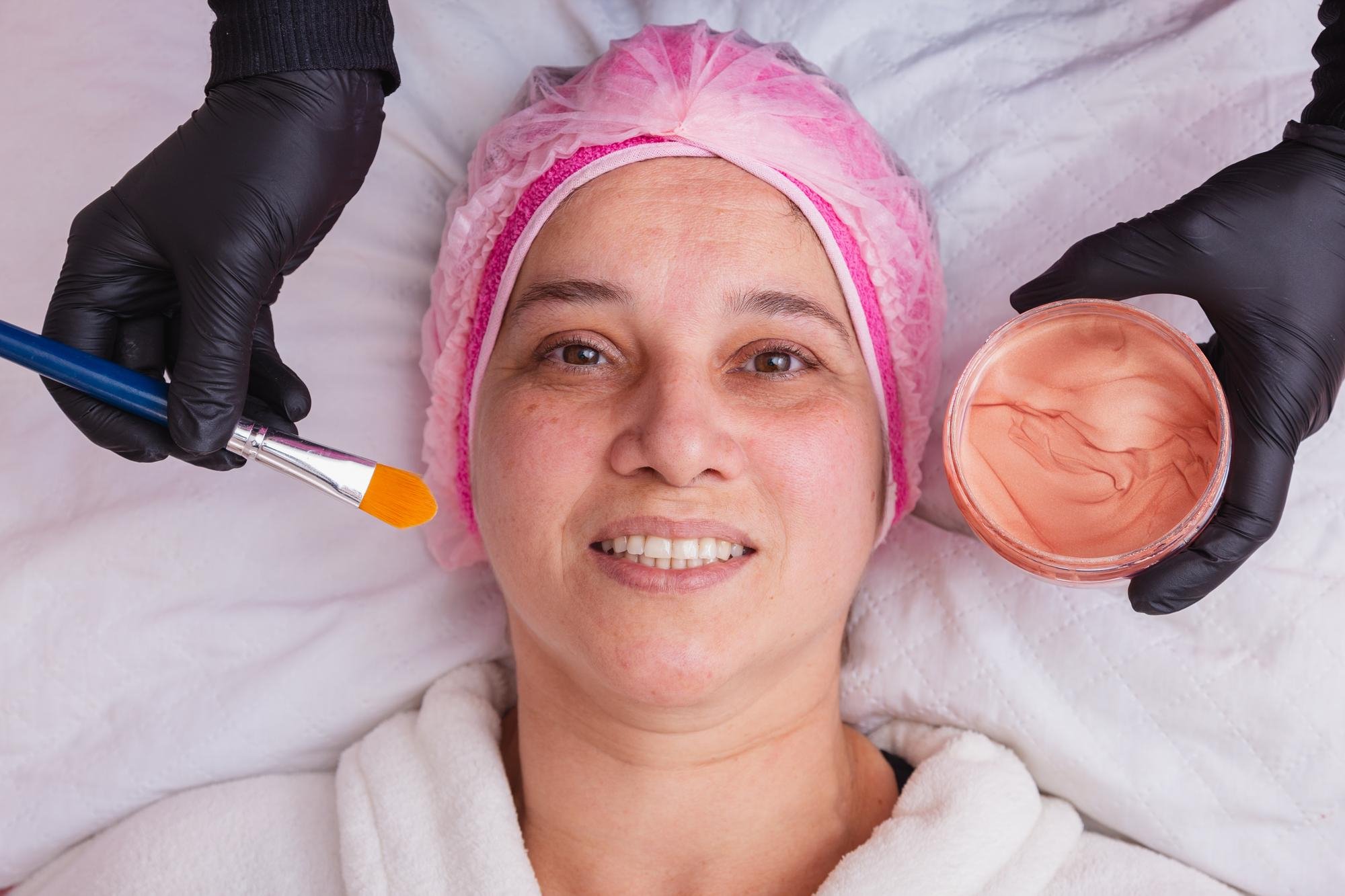
Let's be honest about something: your skincare routine is doing its best. The serum, the SPF (applied optimistically most mornings), the occasional sheet mask that you wear while watching television and feeling like you've earned a day off — all of it is doing something. Just not the thing you actually need.
Because here's the issue. Everything in that routine is working on the surface of your skin — the very top of the stratum corneum, that outermost layer of cells that, by the time a product touches it, is already dead. You are, essentially, moisturising a graveyard. And that graveyard is burying your actual skin beneath it.
This isn't a skincare brand's sales pitch. This is biology. The skin naturally sheds dead cells every 28 to 40 days, but thanks to Dubai's UV index, humidity swings, aircon dehydration, and the general indignity of modern life — that cycle slows, clogs, and thickens. Pigmentation settles in. Acne scars linger. Fine lines deepen. The glow you remember from ten years ago gets buried under accumulated cellular debris and the skin simply stops looking like you.
A chemical peel doesn't just exfoliate. It resets.
|
28–40
days in a healthy skin renewal cycle — often longer in Dubai's climate
|
7–10
days to visible results with The Perfect Derma Peel™
|
All
Fitzpatrick skin types treated safely at Athena
|
What a Chemical Peel Actually Does to Your Skin
When a dermatologist applies a carefully formulated acid solution to your skin, something precise happens: the bonds holding damaged, dead cells to the surface are broken. The skin reads this as controlled injury — and responds the way it always responds to injury — by healing. It accelerates cell turnover, stimulates collagen and elastin production, and generates fresh, healthier tissue from below.
The depth of that process determines everything. A light peel addresses the outermost layer — ideal for dullness, mild pigmentation, and rough texture. A medium-depth peel reaches the upper dermis, where acne scars, melasma, and moderate sun damage actually live. Deep peels go further still, reserved for severe ageing and significant scarring under full medical supervision.
The result isn't a new face. It's your face — clearer, smoother, and with a glow that no serum has ever quite managed to deliver, because a serum was never going to get deep enough to cause it.
"Removing damaged skin cells doesn't just reveal better skin beneath — it signals the body to produce collagen and elastin, the building blocks of firm, resilient, youthful-looking skin. It's not cosmetic. It's cellular."
Not All Peels Are Created Equal — Here's the Honest Breakdown
The word 'peel' covers an enormous range of treatments, from a mild lunchtime glycolic to a procedure requiring genuine recovery time. Understanding the differences helps you walk into a consultation with clarity rather than anxiety.
| Peel Type | Best For | Downtime | Results |
|---|---|---|---|
| Glycolic (AHA) | Dullness, mild lines, texture | None – 1 day | 5–7 days |
| Salicylic (BHA) | Active acne, oily skin, pores | None – 1 day | 5–7 days |
| Lactic Acid | Sensitive or dry skin, pigmentation | Minimal | 5–7 days |
|
The Perfect Derma Peel™ Athena's signature |
Pigmentation, acne scars, melasma — all skin tones | 5–7 days peeling | 7–10 days |
| TCA | Moderate wrinkles, deeper scars | 7–14 days | 2–4 weeks |
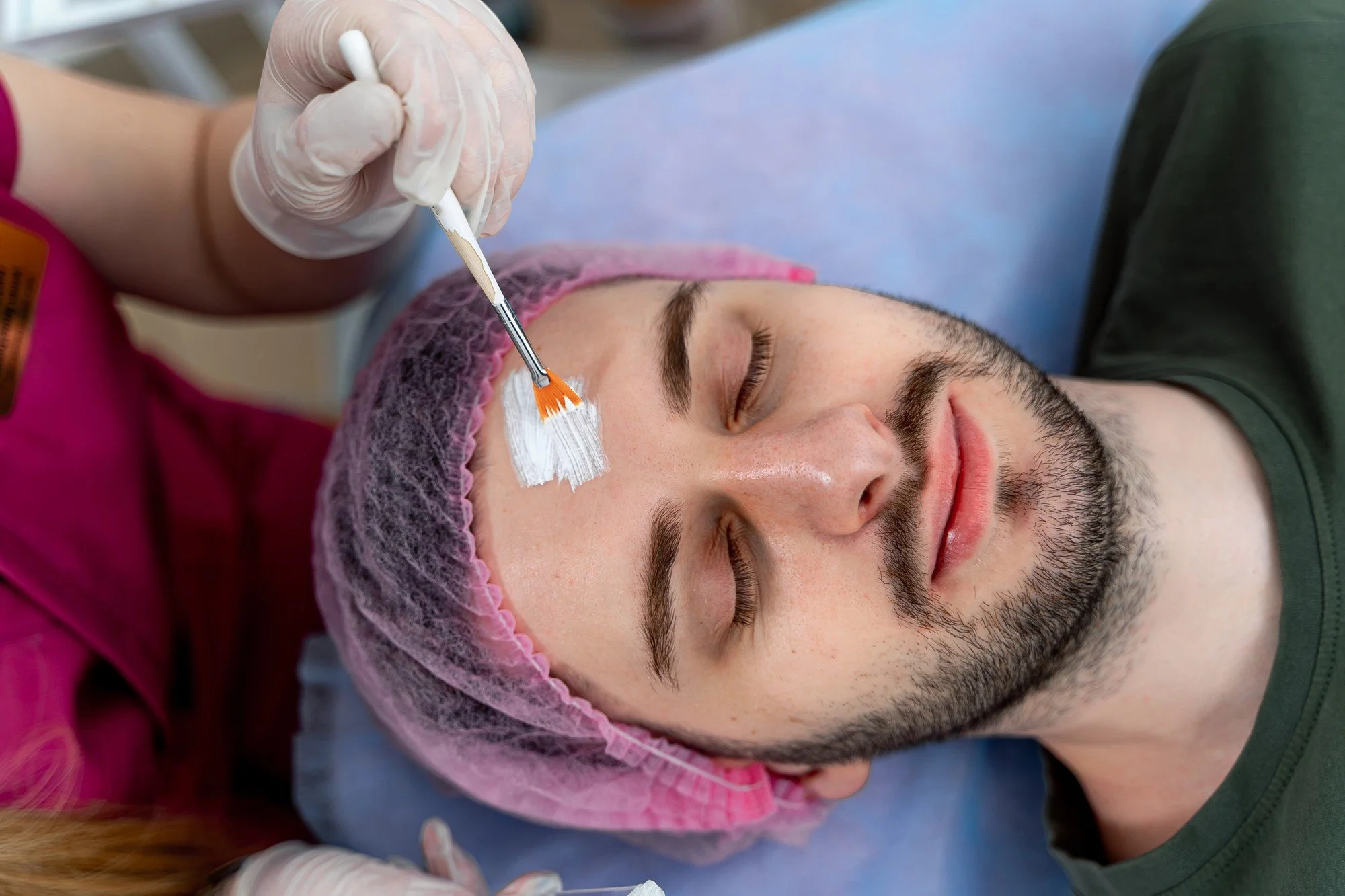
The Perfect Derma Peel™: Why Athena Specifically Chose This One
Of all the medium-depth peels available in Dubai, The Perfect Derma Peel™ earns its name in ways that matter to a medically diverse city like this. Most medium-depth peels carry a meaningful risk of post-inflammatory hyperpigmentation (PIH) in skin types IV through VI — which, in a city where South Asian, Arab, African, and East Asian skin is the norm rather than the exception, makes them impractical for a large portion of patients.
This peel was specifically formulated to work safely across all Fitzpatrick types. Its proprietary blend includes TCA, kojic acid, retinoic acid, salicylic acid, phenol — and critically, Glutathione, a powerful antioxidant that simultaneously brightens the complexion and protects against oxidative stress during the resurfacing process. It's not just a peel — it's a multi-mechanism treatment.
What also separates it from spa-grade alternatives: the solution is left on the skin for a minimum of six hours post-application. This isn't forgetfulness on anyone's part. The prolonged contact time is what allows the active ingredients to penetrate to the correct depth and trigger meaningful collagen stimulus. You go home with it on, which is precisely the point.
Every chemical peel at Athena Dermatology Clinic is prescribed and supervised by a qualified dermatologist — not a beautician, not an aesthetician with a weekend certification. The difference shows in the results and, more importantly, in what doesn't go wrong.
What the Recovery Week Actually Looks Like
Let's demystify the part nobody explains clearly — because the internet is full of horror-show before-and-afters taken at Day 4 of peeling, and zero context. Here is what to genuinely expect with The Perfect Derma Peel™:
|
D1
|
Application day — leave the peel on for 6 hours minimum
No washing, no touching, no makeup. Your skin looks fine. This is deceptive. The process is happening beneath the surface.
|
|
D2
|
Slight tightness, mild redness — completely normal
Mineral makeup is permitted if needed. SPF 30 is non-negotiable from this point forward. Skip the gym — sweating is not your friend right now.
|
|
D3
|
Peeling begins — this is the part that requires self-control
Your skin will feel tight and look slightly darker before it sheds. Do not pick. Do not peel. Moisturise 2–3 times daily. The skin knows what it's doing — your job is to not interfere.
|
|
D5–7
|
Shedding completes — the reveal begins
Most patients complete peeling within a week. Continue gentle cleansing and SPF every two hours if outdoors. For Fitzpatrick IV–VI, continue moisturising for two full weeks.
|
|
D10
|
The skin you've been waiting for
Brighter, smoother, more even. Collagen remodelling continues beneath the surface for up to three months — the improvement you see at Day 10 is just the beginning.
|
Dubai's Climate Makes This More Urgent, Not Less Possible
A common misconception is that Dubai's relentless sun makes chemical peels a seasonal luxury — something to do only in winter, if at all. This is simply not true when proper aftercare is applied. What Dubai's climate actually does is make the argument for regular resurfacing stronger: UV index 10–11 is standard here for six months of the year, and cumulative sun damage is one of the leading drivers of pigmentation, premature ageing, and uneven skin tone.
The catch, and it is a real one: post-peel skin is temporarily more photosensitive. SPF 30 minimum is not a suggestion — it is a clinical requirement. The Perfect Derma Peel™ includes Mineral Perfection SPF 30 in the take-home kit for exactly this reason. Your dermatologist at Athena will also time your treatment around your calendar — scheduling a peel the week before your desert safari is perhaps not optimal planning.
Five Questions Your Dermatologist Actually Wants You to Ask
| Question | Answer |
|---|---|
| Am I a candidate? | Almost certainly — but the type and depth depends on your Fitzpatrick type, concern, and skin history. This is what the consultation is for. |
| How many sessions? | For light peels: 4–6 sessions spaced 2–4 weeks apart. For The Perfect Derma Peel™: often 1–3 sessions achieve lasting visible improvement. |
| Can I combine with other treatments? | Yes — peels pair well with skin boosters, microneedling, and Lumecca IPL. Timing matters; your dermatologist will sequence them appropriately. |
| Will it hurt? | Tingling and warmth are typical. Genuine pain is not. If you've been putting this off because of what you imagine it feels like, the reality is considerably more manageable than the fear. |
| How do I maintain results? | SPF daily — genuinely every day, in Dubai, without exception. Vitamin C serum in the morning. Retinol at night once skin has healed. Maintenance peels every 2–3 months as advised. |
A chemical peel is not a miracle. It is, however, one of dermatology's most evidence-backed, thoroughly studied tools for genuine skin renewal — and when performed by a qualified dermatologist on correctly assessed skin, it reliably delivers what no moisturiser, mask, or five-step routine ever could: change that begins at the cellular level and shows up where it counts — on your face.
Ready to have a conversation about your skin?
Our dermatologists assess your skin type, concerns, and goals before recommending anything. No pressure, no one-size-fits-all protocols — just an honest expert opinion.
Book Your ConsultationCall +971 4 250 5081 · WhatsApp +971 50 645 8869 · The Greens, Dubai
This article is for informational purposes only and does not constitute medical advice. Individual results vary based on skin type, concern, treatment depth, and adherence to aftercare protocols. All treatments at Athena Dermatology Clinic are conducted under physician supervision. Athena Dermatology Clinic — Ministry of Health & Prevention Advertisement Licence No.: A4UE60K8-160724.